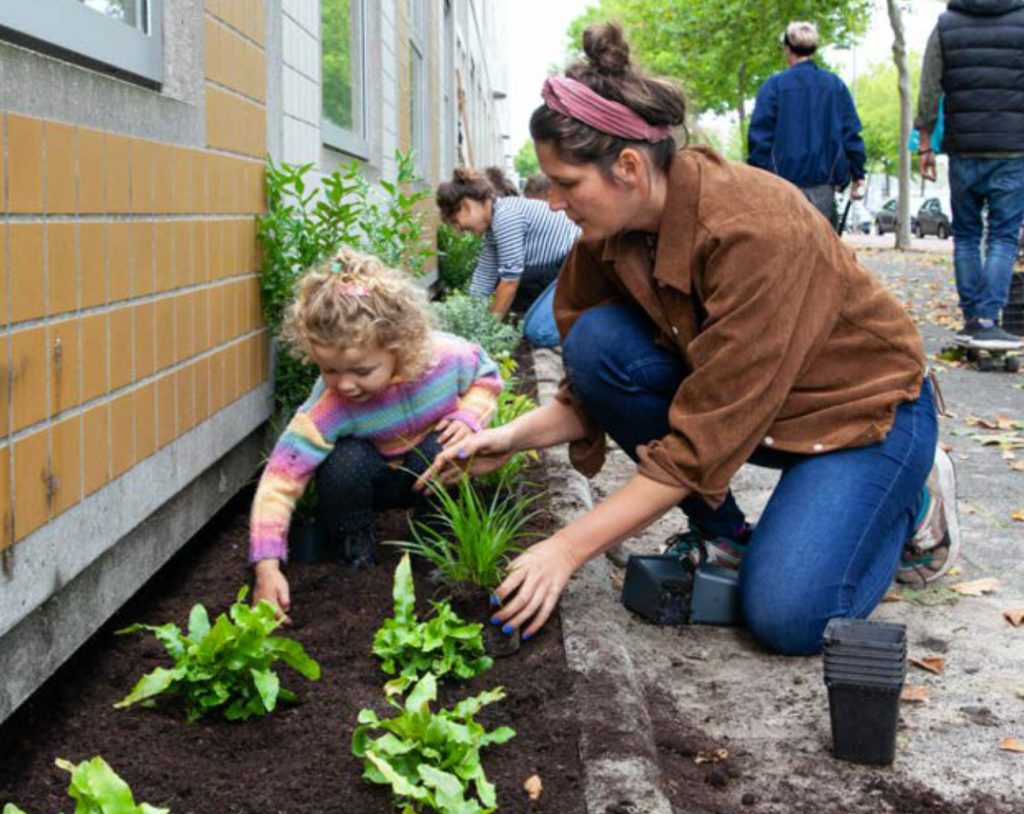
Placemaking for active recreation
Placemaking for active recreation is a concept that pertains to the design and planning of public spaces to encourage physical activity and social interaction. It is a subset of the broader field of placemaking, which involves designing and managing spaces with the goal of creating vibrant, people-centered locales that foster a sense of community.
Colaboration
The Placemaking for Active Recreation approach is a collaborative effort initiated and led by BGBA , with the expert support of Placemaking Europe, International Sport and culture association and tested in Spain, Romania, Malta and Bulgaria.
Our Journey
When we set out to create the Placemaking for Active Recreation approach, our primary aim was to bridge the gap between grassroots urban designers, or placemakers, and grassroots sports organizations and professionals. We strove to cultivate a shared solutions package, one that would bolster and refine the capacities of both sectors, resulting in enhanced programs and spaces that promote physical activity within urban areas. The journey took two years and now it is time to share the results, tools and resources created and tested.
Resources
Research
Dive into a wealth of knowledge from our comprehensive research on Placemaking for Active Recreation.
Approach
Uncover the principles, strategies, and steps that make up the Placemaking for Active Recreation approach.
E-learning
This resource is specifically designed to share the valuable insights, experiences, and success stories from our vibrant network of practitioners, doers, and change-makers.
Services
providing guidance on how to apply the principles of placemaking for active recreation in their specific contexts, from initial planning stages to final implementation.
Design and conduct training sessions and workshops for grassroots sports organizations, municipalities, businesses, and other stakeholders. These could cover various aspects of placemaking for active recreation, including theory, best practices, case studies, and hands-on activities.
BGBA offers project management services, overseeing the implementation of placemaking projects. This could involve coordinating with various stakeholders, managing timelines and resources, monitoring progress, and troubleshooting issues.
Evaluation and Reporting: Conduct evaluations of placemaking projects to measure their impact on physical activity and community well-being.
Including public speaking, publishing articles, and participating in relevant conferences and events.
FAQ
The Placemaking for Active Recreation approach is intended for a wide range of individuals and groups, including:
- Urban Planners and Designers: This approach provides insights and tools that can be used to create public spaces that promote physical activity and social interaction, making cities more livable and vibrant.
- Sports Organizations and Clubs: They can apply these principles to develop facilities and programs that encourage active lifestyles and community participation.
- Community Leaders and Local Governments: These stakeholders can use the approach to engage community members in the co-design of public spaces, fostering a sense of ownership and belonging, and improving community health outcomes.
- Non-profit Organizations: NGOs working in the fields of health, environment, and community development can apply this approach in their projects to foster healthier and more connected communities.
- Educators: They can use this approach as a tool to teach about urban planning, public health, community development, and environmental stewardship.
- Citizens: People living in the target communities can get involved in the placemaking process, helping to shape the public spaces in their area and using these spaces for active recreation.
The approach is not limited to these groups, however. Anyone interested in the intersection of urban design, physical activity, and community building can benefit from the Placemaking for Active Recreation approach.
The Placemaking for Active Recreation approach is an innovative strategy that reshapes public spaces to inspire physical activity and community engagement. It’s about transforming urban areas, parks, and open spaces into vibrant, welcoming environments that invite people of all ages and backgrounds to engage in physical activity and social interaction. By blending urban design, sports, community input, and a focus on well-being, this approach fosters healthier, more connected communities. It’s not just about creating places to be active, but it’s about making physical activity an integral, enjoyable part of everyday life.